
Antabuse (Disulfiram) Tablets

Dosages
Antabus 250 mg
| Quantity | Price per tablet | You save | Total price | |
|---|---|---|---|---|
| 90 | $0.44 | - | $40.00 | |
| 120 | $0.40 | $5.03 | $48.30 | |
| 180 | $0.38 | $12.20 | $67.80 | |
| 270 | $0.36 | $23.40 | $96.60 | |
| 360 | $0.35 | $34.10 | $125.90 |
Antabus 500 mg
| Quantity | Price per tablet | You save | Total price | |
|---|---|---|---|---|
| 60 | $0.79 | - | $47.40 | |
| 90 | $0.70 | $8.50 | $62.60 | |
| 120 | $0.64 | $17.80 | $77.00 | |
| 180 | $0.59 | $35.80 | $106.40 | |
| 270 | $0.56 | $62.10 | $151.20 | |
| 360 | $0.55 | $85.10 | $199.30 |
Manufacturers
Payment & Shipping
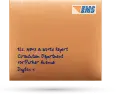
We carefully pack each order and ship it within 24 hours. Below is an example of a standard package.
The packaging measures 9.4x4.3x0.3 inches (24x11x0.7 cm), similar to a standard personal envelope, and conceals its contents.


| Shipping Method | Estimated delivery |
|---|---|
| Express Free for orders over $300.00 | Estimated delivery to the U.S.: 4-7 days |
| Standard Free for orders over $200.00 | Estimated delivery to the U.S.: 14-21 days |










Discount Coupons
- Independence Day - July 4, 2026 10% JULY410
- Labor Day - September 7, 2026 7% LABOR07
- Thanksgiving - November 26, 2026 9% THANKS09
Brand Names
| Country | Brand Names |
|---|---|
 United States United States | Antabuse |
FAQ
Description
Antabuse is the brand name for oral disulfiram tablets, an alcohol-deterrent medication used as an aid in managing selected adults with chronic alcohol dependence who want to remain abstinent. Rather than reducing cravings or diminishing the rewarding effects of drinking, disulfiram blocks an enzyme called aldehyde dehydrogenase, so alcohol consumed while its effects persist can trigger an unpleasant and potentially serious reaction within minutes. That pharmacologic distinction is important before deciding to buy Antabuse: this medication supports complete abstinence by making alcohol exposure physically aversive, so it may suit selected patients who want a firm behavioral deterrent rather than a craving-reduction strategy. We offer Antabuse tablets in 250 mg and 500 mg strengths and stock package options for both shorter and longer treatment plans.
Antabuse vs. Naltrexone, Nalmefene, and Acamprosate: Comparing Alcohol-Dependence Treatments
Choosing among medications used for alcohol dependence in the United States usually comes down to treatment goals, medical history, dosing preferences, and how a person wants therapy to fit into daily life. Antabuse, naltrexone tablets, nalmefene, and acamprosate can support treatment, but they work through different mechanisms and have different schedules and safety considerations. The comparisons below summarize practical distinctions customers often consider before they order Antabuse online.
Antabuse or Naltrexone Tablets?
How does Antabuse compare with Naltrexone?
| Feature | Antabuse | Naltrexone |
|---|---|---|
| Active ingredient | Disulfiram | Naltrexone |
| Medication class | Aldehyde dehydrogenase inhibitor (aversive agent) | Opioid antagonist |
| Primary mechanism | Blocks alcohol metabolism, causing unpleasant physical reactions if alcohol is ingested | Blocks opioid receptors to reduce cravings and alcohol's pleasurable reinforcement |
| Dosage form | Tablets | Oral tablets |
| Available strengths | 250 mg, 500 mg | 50 mg (oral tablet) |
| Clinical focus | Deterrent requiring complete commitment to abstinence | Craving reduction supporting abstinence or reduced drinking |
Naltrexone is an opioid antagonist that can reduce the rewarding effects of alcohol and help reduce heavy drinking or support abstinence. Unlike disulfiram, it does not cause the characteristic flushing, nausea, and rapid heartbeat associated with a disulfiram-alcohol reaction if a person drinks. Naltrexone may therefore be considered when reducing heavy drinking or cravings is a treatment goal, while Antabuse provides a direct alcohol-deterrent strategy for selected patients committed to abstinence. Naltrexone cannot be used while a patient is dependent on or actively taking opioids because it can precipitate withdrawal and block opioid medicines. We stock oral Naltrexone tablets alongside Antabuse, allowing customers to compare these two oral options through our pharmacy.
Antabuse or Nalmefene?
How does Antabuse compare with Nalmefene?
| Feature | Antabuse | Nalmefene |
|---|---|---|
| Active ingredient | Disulfiram | Nalmefene |
| Medication class | Aldehyde dehydrogenase inhibitor | Opioid-system modulator |
| Dosage form | Oral tablet | Oral tablet |
| Treatment approach | Creates an alcohol-deterrent reaction | Helps reduce alcohol consumption |
| Practical distinction | Supports complete alcohol avoidance | Supports a reduction-focused treatment plan |
Nalmefene is an oral medicine that acts on the opioid system and may be used within a treatment plan aimed at reducing alcohol consumption. Antabuse follows a different strategy: disulfiram is taken as an oral deterrent and can produce an unpleasant reaction if alcohol is consumed. The preferred approach depends on the treatment goal, medical history, other medicines, and the plan agreed with a prescriber.
Antabuse or Acamprosate?
How does Antabuse compare with Acamprosate?
| Feature | Antabuse | Acamprosate |
|---|---|---|
| Active ingredient | Disulfiram | Acamprosate calcium |
| Medication class | Aversive alcohol deterrent | GABA/glutamate neuromodulator |
| Available strengths | 250 mg, 500 mg | 333 mg |
| Mechanism of action | Inhibits aldehyde dehydrogenase to induce severe discomfort if alcohol is consumed | Restores chemical balance in the brain to reduce post-cessation distress and urge to drink |
| Optimal role in recovery | Aversive support for motivated individuals maintaining complete sobriety | Relapse prevention initiated after achieving alcohol abstinence |
Acamprosate modulates glutamate and GABA-related signaling and can help maintain abstinence after alcohol withdrawal. It is usually taken as multiple tablets divided across the day rather than as a single daily dose. Acamprosate does not cause a disulfiram-like reaction if alcohol is consumed, but it also does not create the direct deterrent effect that makes disulfiram distinctive. Patients already abstinent after withdrawal may consider acamprosate when craving support is a priority, while Antabuse may fit selected patients who want an active deterrent incorporated into a daily routine. Kidney function is an important consideration with acamprosate, whereas liver and neurologic risks are particularly relevant with disulfiram.
Why an Oral Deterrent Tablet Can Be the Right Format
For patients who prefer a daily oral treatment format, Antabuse tablets offer a practical option. Antabuse is available here in 250 mg and 500 mg tablets, allowing a prescriber to choose an initial and maintenance regimen appropriate for the individual. A daily tablet also allows the prescriber to reassess the treatment during follow-up. Patients should not pause, restart, or change the strength of disulfiram without medical guidance, because sensitivity to alcohol can persist for up to two weeks after the last dose and restarting requires renewed confirmation of abstinence and safety.
How Disulfiram Works and What That Means for Daily Life
Disulfiram, the active ingredient in every Antabuse tablet, inhibits aldehyde dehydrogenase, the enzyme that normally clears acetaldehyde, a toxic byproduct of alcohol metabolism. With that enzyme inhibited, acetaldehyde can build up rapidly after alcohol exposure, producing symptoms such as flushing, throbbing headache, nausea, vomiting, sweating, chest discomfort, palpitations, and low blood pressure. Severe reactions can include cardiovascular collapse, arrhythmias, breathing difficulty, seizures, unconsciousness, or death. Symptoms commonly begin about 10 to 30 minutes after alcohol exposure, although their onset and severity vary with the amount of alcohol and disulfiram involved. The anticipation of this reaction provides the medication's behavioral deterrent. Because enzyme inhibition is long-lasting, sensitivity to alcohol can persist for up to 14 days after the last dose, so stopping Antabuse shortly before an occasion involving alcohol does not make drinking safe. Treatment generally begins with an initial daily dose after alcohol has cleared, followed by a maintenance dose selected by a prescriber according to response and tolerability. Disulfiram tablets can be taken with or without food, and taking the dose at a consistent time can help establish a reliable routine.
Antabuse Package Options and Value in the United States
We list Antabuse 250 mg tablets in packages of 90, 120, 180, 270, and 360 pills. Antabuse 500 mg tablets are available in packages of 60, 90, 120, 180, 270, and 360 pills. These options let customers choose an appropriate quantity after the prescribed strength and expected treatment duration have been confirmed. Larger packages may provide a lower per-pill price, but the best value depends on the prescribed regimen rather than package size alone. The table below breaks down current pricing per package and per unit across all six 500 mg package sizes we carry, in US dollars, so the trade-off between a smaller upfront order and a larger supply is easy to review before you buy Antabuse.

Pricing in that comparison reflects our current store values, with the authoritative total shown at checkout. We accept Visa, Mastercard, American Express, and Discover cards, along with Apple Pay, Google Pay, and Bitcoin or USDT for customers who prefer cryptocurrency. Anyone ordering Antabuse online for the first time should select a strength and package quantity only after a prescriber has established the regimen; package size is not a substitute for clinical dose selection or tolerance monitoring.
Getting Antabuse in the United States: Prescription and Regulatory Facts
Disulfiram is authorized for human medicinal use in the United States. The FDA regulates medicines at the federal level, while state boards of pharmacy oversee pharmacy practice and dispensing within their jurisdictions. Oral disulfiram tablets are prescription-only medicines in the United States, and dispensing ordinarily requires a valid prescription under applicable federal and state requirements. Our product-specific order-acceptance requirements are provided during checkout, and our support team, available 24/7 by email, online chat, and phone, can explain the current steps before an order is accepted. Coverage for disulfiram varies by payer: some private insurance plans, Medicare Part D plans, and Medicaid formularies may include it, while customers may also compare cash-payment options when coverage is unavailable or they prefer not to submit a claim.
Using Antabuse Correctly: Dosing, Timing, and Daily Routine
General adult dosing for disulfiram may begin at up to 500 mg once daily for the first one to two weeks, followed by an individualized maintenance dose commonly ranging from 125 mg to 500 mg once daily. The maximum recommended daily dose is 500 mg. A prescriber should determine the dose according to response, tolerability, medical history, and the tablet strengths available. Disulfiram must not be given to an intoxicated person or without the patient's full knowledge, and at least 12 hours should pass after the last alcohol intake before the first dose. A few practical habits can make treatment easier to manage:
- Take the tablet at the same time each day, with or without food, according to the prescribed regimen.
- Avoid alcohol in beverages and in products that contain enough alcohol to trigger a reaction, including some sauces, vinegars, cough syrups, aftershaves, and mouthwashes. Check labels rather than assuming every product in one of these categories contains alcohol.
- Carry a medication card or wear a medical alert noting disulfiram use, so treating clinicians can recognize a possible disulfiram-alcohol reaction.
- Remember that sensitivity to alcohol can persist for up to 14 days after the last tablet, and plan accordingly around medicines, foods, personal-care products, and events where exposure may occur.
Interactions and Safety Precautions to Know Before You Start
Beyond alcohol itself, disulfiram interacts with several medicines in ways that matter for anyone combining Antabuse with an existing prescription or over-the-counter medication list.
- Metronidazole must not be used concurrently with disulfiram because the combination can cause confusion or psychotic reactions. Other nitroimidazole medicines also require professional review.
- Warfarin's anticoagulant effect can be increased by disulfiram, so closer clotting-time monitoring and dose adjustment may be needed.
- Phenytoin concentrations can rise during disulfiram therapy, requiring level monitoring and possible dose adjustment.
- Isoniazid may increase the risk of neurologic or behavioral adverse effects, while disulfiram can affect the metabolism of theophylline and certain other medicines.
- Alcohol-containing medicines and preparations must be avoided, and paraldehyde is contraindicated during disulfiram treatment.
Common adverse effects outside an alcohol reaction include drowsiness and fatigue, particularly during the first two weeks, headache, skin eruptions, and a metallic or garlic-like aftertaste. Rare but serious risks include hepatitis or liver failure, optic neuritis, peripheral neuropathy, and psychiatric effects. Liver function should be assessed before treatment, with follow-up testing often recommended shortly after initiation and periodically thereafter according to clinical judgment. New fatigue, loss of appetite, nausea, vomiting, jaundice, dark urine, numbness, weakness, vision changes, or marked behavioral changes require prompt medical evaluation.
Who Should Avoid Antabuse or Talk to a Doctor First
Antabuse is not right for everyone. Some conditions and combinations are contraindications, while others require careful clinical assessment and monitoring:
- Disulfiram is contraindicated in people with severe myocardial disease or coronary occlusion, psychosis, or known hypersensitivity to disulfiram or other thiuram derivatives, including compounds used in rubber vulcanization and some pesticides.
- It must not be taken during alcohol intoxication or with alcohol-containing preparations, metronidazole, or paraldehyde.
- Patients with diabetes, epilepsy, cerebral damage, hypothyroidism, kidney disease, or liver disease require particular caution and individualized monitoring.
- Safe use during pregnancy has not been established. It is also unknown whether disulfiram is excreted in human milk, so a clinician must weigh potential benefit against risk during pregnancy or breastfeeding.
- Anyone who develops drowsiness or fatigue should avoid driving or operating machinery until they know how Antabuse affects them.
- Safety and effectiveness in pediatric patients have not been established.
Anyone uncertain whether Antabuse fits their health history should consult a qualified healthcare professional. Our pharmacist team can provide medicine information before an order is placed, and customers exploring another approach may browse our alcoholism treatment options or compare Antabuse with Naltrexone.
Where to Buy Antabuse Online in the United States
Customers searching for where to buy Antabuse online in the United States can order through our catalog, where each strength and package quantity we carry is listed with current pricing in US dollars. The 250 mg strength is available in quantities of 90, 120, 180, 270, and 360 pills, while the 500 mg strength is available in quantities of 60, 90, 120, 180, 270, and 360 pills. We have operated as an online pharmacy since 2008, and our support team is reachable 24/7 by email, online chat, and phone if a question comes up before or after you order Antabuse online. Because disulfiram tablets are prescription-only in the United States, customers should follow applicable prescribing and dispensing requirements. Checkout provides our current order-acceptance steps, and our pharmacist team is available for medicine-information questions; dose changes and decisions about switching between 250 mg and 500 mg require the prescriber responsible for treatment.
Our regional supply context includes established pharmaceutical manufacturers such as Teva Pharmaceuticals and Alphapharm Pty Ltd. Manufacturer availability can vary by strength, package, and supply batch, so customers should use the current listing and the packaging supplied with the order to identify the manufacturer and product details. Whether you buy Antabuse in a 250 mg or 500 mg strength, our checkout displays the authoritative current total before the order is confirmed.
Shipping and Receiving Your Antabuse Order Across the United States
Shipping across a country as large as the United States means delivery timing depends on distance, destination, local carrier conditions, and the shipping method chosen at checkout. We offer tracked Express shipping, typically estimated at 4 to 7 days for $29.99, and untracked Standard shipping, typically estimated at 14 to 21 days for $14.99, with qualifying orders eligible for free shipping at checkout. The table below shows representative delivery estimates to several US cities based on our experience with previous deliveries. Every figure is an estimate rather than a guaranteed delivery date, and actual timing can vary with distance, customs handling, and local carrier conditions.
Estimated Shipping Times Across the United States
| Destination city | Express | Standard |
|---|---|---|
| El Paso | ≈ 7 days | ≈ 21 days |
| Denver | ≈ 4 days | ≈ 19 days |
| Fort Worth | ≈ 4 days | ≈ 14 days |
| Houston | ≈ 7 days | ≈ 18 days |
| Nashville | ≈ 4 days | ≈ 15 days |
Customers in hot, dry climates such as the Southwest, humid Gulf Coast states, or areas with freezing northern winters should bring an Antabuse package inside promptly rather than leaving it in a mailbox or on a porch for an extended period. Store the tablets at 68°F to 77°F, with brief excursions permitted between 59°F and 86°F, in a tightly closed container away from light and moisture. Whether you are ordering Antabuse for delivery to a coastal city or a rural address far from the nearest pharmacy, our Standard and Express options are available for addresses across the United States, and our support team remains available 24/7 if a shipping question comes up while your Antabuse order is in transit.

Product specifications
| Active ingredient | Disulfiram |
|---|---|
| Drug class | Alcohol deterrent (aldehyde dehydrogenase inhibitor) |
| Dosage form | Tablets |
| Available strengths | 250 mg, 500 mg |
| Route | Oral |
| Storage | Store at 68°F to 77°F, with brief excursions permitted between 59°F and 86°F; keep in a tightly closed container away from light and moisture. |
| ATC code | N07BB01 |
Regulatory information
More information
Reviews
No reviews or ratings yet. Share your experience and help other customers.