JG
Jeremy G, Philadelphia
Packed securely.
Was this review helpful to you?


| Quantity | Price per tablet | You save | Total price | |
|---|---|---|---|---|
| 60 | $0.79 | - | $47.60 | |
| 90 | $0.67 | $11.00 | $60.40 | |
| 120 | $0.62 | $20.60 | $74.60 | |
| 180 | $0.57 | $39.90 | $102.90 | |
| 270 | $0.53 | $70.30 | $143.90 | |
| 360 | $0.52 | $99.70 | $185.90 |
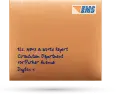
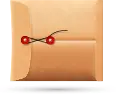
We carefully pack each order and ship it within 24 hours. Below is an example of a standard package.
The packaging measures 9.4x4.3x0.3 inches (24x11x0.7 cm), similar to a standard personal envelope, and conceals its contents.

| Shipping Method | Estimated delivery |
|---|---|
| Express Free for orders over $300.00 | Estimated delivery to the U.S.: 4-7 days |
| Standard Free for orders over $200.00 | Estimated delivery to the U.S.: 14-21 days |










| Country | Brand Names |
|---|---|
| United States | Colcrys Lodoco |
If you're comparing options for managing gout flares, the first thing worth knowing about Colchicine 0.5 mg tablets is that they work through a completely different mechanism than the anti-inflammatory painkillers and steroids most people try first. That distinction matters in practice: colchicine targets the specific inflammatory process that gout crystals trigger, rather than blunting pain and swelling broadly the way an NSAID or corticosteroid does. For someone who reacts poorly to NSAIDs, has kidney or stomach concerns, or needs a medicine that can be used both to treat a flare and to help prevent the next one, that difference in mechanism is often the deciding factor.
We offer Colchicine as 0.5 mg oral tablets. Every package we list, from 60 tablets up to 360 tablets, is the same 0.5 mg strength and oral tablet form. Keeping that identity fixed matters because colchicine has a narrow margin between an effective dose and one that causes uncomfortable or even serious side effects, so knowing exactly what strength and form you're working with is part of using it safely.
Colchicine is one of the oldest medicines still in mainstream use, derived originally from the autumn crocus plant, and it remains a first-line option for two related jobs in gout: calming an acute flare and preventing flares from recurring, including during the early months of starting a urate-lowering medicine such as allopurinol or febuxostat. Unlike those urate-lowering drugs, colchicine does not change how much uric acid the body makes or excretes. It works downstream of that process, which is why it's typically used alongside a urate-lowering strategy rather than instead of one for people who need long-term uric acid control.
Colchicine has an established role in human medicine when prescribed and dosed appropriately. Its core purpose in gout care is to interrupt the inflammation behind a flare rather than directly lowering the body's uric acid level.
Colchicine is most often considered by adults who have an established diagnosis of gouty arthritis, whether they are in the middle of a painful flare or trying to prevent one while starting long-term uric acid management. It tends to come up in a treatment conversation when:
Colchicine is not the right starting point for everyone. People with significant kidney or liver impairment, those taking certain interacting medicines, and pregnant or breastfeeding individuals need an individualized decision with their prescriber. Its prescription status and need for careful clinical judgment reflect the importance of matching the dose to the individual.
Gout flares happen when uric acid crystals settle in a joint and white blood cells rush in to attack them, releasing inflammatory signals that cause the intense pain, heat, and swelling associated with a flare. Colchicine works by binding to tubulin, a structural protein inside cells, and disrupting microtubule function in the white blood cells responding to those crystals. In practical terms, this slows the inflammatory cascade at an early stage rather than simply masking pain afterward, which is part of why colchicine can be effective when started promptly at flare onset.
The practical consequence for a patient is twofold. First, timing matters more with colchicine than with a typical pain reliever: starting it as soon as flare symptoms appear generally produces better results than waiting. Second, the same microtubule-disrupting activity can cause toxicity, with gastrointestinal effects such as diarrhea, nausea, vomiting, and abdominal pain often serving as the earliest warning that the medicine is not being tolerated.
Colchicine 0.5 mg tablets are taken by mouth and can generally be taken with or without food, though taking them with food may help reduce stomach upset for some people. Because dosing for an acute flare differs from dosing used for ongoing flare prevention, the exact schedule should always follow the prescriber's instructions rather than a generic pattern. That said, a few habits generally support consistent, safer use:
Because colchicine is cleared partly by the kidneys and liver, prescribers often adjust the dose or dosing interval for people with reduced organ function, and older adults may need a more cautious regimen. None of this replaces individualized medical guidance, but understanding the general pattern helps you follow a prescribed routine with confidence.
We stock Colchicine 0.5 mg tablets in six package sizes, so you can match the quantity to whether you're managing occasional flares or following a longer preventive course:
All six options are the same 0.5 mg strength and oral tablet form, so choosing between packages is a question of how much supply you need rather than a difference in dose or formulation.
When colchicine is started early in a flare, many people notice a meaningful reduction in pain and swelling within 24 to 48 hours, though full resolution of a flare typically takes several days regardless of treatment. For flare prevention, colchicine is usually continued for a period of months while a urate-lowering medicine takes effect, since it can take a while for uric acid levels to fall enough to reduce new crystal formation. Your prescriber will generally set a review point to decide whether ongoing colchicine is still needed once uric acid control is stable.
It's worth understanding that colchicine treats and helps prevent flares, but it does not dissolve existing urate deposits or cure gout as an underlying metabolic condition. Long-term control of uric acid levels depends on a separate class of medicines working in parallel.
Colchicine has a narrower safety margin than many other oral medicines, so a short list of checks before starting treatment is genuinely useful rather than a formality. 
Gastrointestinal symptoms such as diarrhea, nausea, vomiting, or abdominal pain are colchicine's most common adverse effects and may be an early warning of toxicity. Less common but more serious effects include blood cell suppression, muscle weakness or pain, nerve injury, and, in overdose, potentially fatal multi-organ toxicity. Anyone who develops unusual bruising, persistent muscle pain or weakness, or signs of infection while taking colchicine should contact their prescriber promptly. People with kidney or liver impairment may require dose adjustment or avoidance of certain regimens because reduced clearance raises the risk of toxic accumulation.
Colchicine is metabolized partly through the CYP3A4 enzyme system and is also affected by P-glycoprotein transport, which means several common medicines can raise colchicine levels in the blood to a potentially dangerous degree. Before starting colchicine, it's worth reviewing your current medicines for the following categories:
People with reduced kidney or liver function are especially sensitive to these interactions because they already clear colchicine more slowly. Combining colchicine with a strong CYP3A4 or P-glycoprotein inhibitor in someone with renal or hepatic impairment can cause severe or fatal toxicity and generally must be avoided or managed by a specialist. A prescriber or pharmacist should review your full medicine list, including over-the-counter and herbal products, before treatment begins.
Colchicine isn't the only option for an acute gout flare, and understanding how it compares with a commonly used alternative helps clarify when each makes sense. Colchicine vs. Prednisone Comparison
Comparison Factor Colchicine Prednisone Active ingredient Colchicine Prednisone Medication class Anti-gout agent (tubulin inhibitor) Systemic corticosteroid Primary action Disrupts neutrophil assembly and inflammatory response to urate crystals Suppresses multiple inflammatory pathways and immune cell activity Dosage form Tablets Tablets Marketed strengths 0.5 mg 1 mg, 2.5 mg, 5 mg, 10 mg, 20 mg, 50 mg Clinical role in gout flares Targeted option often started at the earliest sign of a flare Broad anti-inflammatory option often selected when colchicine or NSAIDs are unsuitable
In broad terms, colchicine may be favored when NSAIDs or corticosteroids carry more risk for a particular patient, when a preventive bridge is needed alongside a urate-lowering medicine, or when a prescriber wants to avoid the mood, blood sugar, and fluid effects that Deltasone, a brand of oral prednisone, can produce. Prednisone, by contrast, may be chosen when colchicine is unsuitable because of interactions, organ impairment, poor tolerance, or delayed treatment after the flare began. Neither replaces long-term uric acid management; both are tools for controlling flare inflammation, and a prescriber's choice usually comes down to the patient's other health conditions, current medicines, and how recently the flare began.
Colchicine is authorized for human medicinal use in the United States, and oral colchicine tablets are classified as prescription medicines. That classification means the medicine should be used under the direction of a licensed prescriber, but it does not by itself define the documentation our checkout requests for a particular order. Review the requirements displayed during ordering or contact our support team if you need help understanding the process.
If gout management is a recurring concern for you, you can also browse Arthritis options that may be relevant to a broader treatment discussion with your prescriber.
When you're ready to order through our site, select the 0.5 mg strength, choose the package size that matches your prescribed course, from 60 tablets up to 360, and complete checkout using our standard payment options. Any documentation required for your order is shown during the ordering process. Our pharmacist-supported team is available 24/7 by phone, online chat, or email if you have questions about your order, the checkout requirements, or general product information before you buy.
We've been packing and shipping pharmacy orders since 2008, and we handle colchicine the same way we handle other prescription medicines: securely packaged to protect the tablets from heat, light, and moisture in transit. Delivery timing varies by shipping method and destination within the United States, and we provide an estimated delivery window at checkout so you can plan around it rather than guessing. If a delivery estimate needs adjusting once your order ships, our support team can help you track it down.
Choosing Colchicine 0.5 mg tablets over another gout treatment usually comes down to a few practical questions: Do you need a medicine that treats a flare and also helps prevent the next one? Are NSAIDs or steroids a poor fit for your other health conditions? Has a prescriber reviewed your medicine list for interactions that could make colchicine unsafe or require a dose adjustment? If those questions point toward colchicine, the next practical step is confirming the diagnosis and dose with a prescriber, then choosing a package size, from 60 to 360 tablets, that matches how long that course is expected to run.
We've built this page to help you compare that choice clearly, and we're ready to help with your order for Colchicine 0.5 mg tablets whenever you're ready to move forward.

| Active ingredient | Colchicine |
|---|---|
| Drug class | Antigout agent |
| Dosage form | Tablets |
| Available strengths | 0.5 mg |
| Route | Oral |
| Storage | Store at 68°F to 77°F; brief excursions permitted between 59°F and 86°F. Keep in the original container, protected from light and moisture. |
| ATC code | M04AC01 |
This product has 13 ratings, but only 1 written review so far. Share your experience and help other customers.
Packed securely.

