I used domperidone liquid before. Do you sell Motilium in a liquid or another form?
We currently list Motilium as 10 mg oral film-coated tablets. We do not list a liquid or another dosage form for this product.


| Quantity | Price per tablet | You save | Total price | |
|---|---|---|---|---|
| 10 | $3.29 | - | $32.90 | |
| 20 | $1.91 | $27.60 | $38.20 | |
| 30 | $1.40 | $56.60 | $42.10 | |
| 60 | $0.77 | $151.10 | $46.30 | |
| 90 | $0.36 | $264.10 | $32.00 | |
| 120 | $0.46 | $339.70 | $55.10 | |
| 180 | $0.31 | $537.10 | $55.10 | |
| 270 | $0.29 | $811.00 | $77.30 | |
| 360 | $0.28 | $1,085.30 | $99.10 |
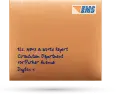
We carefully pack each order and ship it within 24 hours. Below is an example of a standard package.
The packaging measures 9.4x4.3x0.3 inches (24x11x0.7 cm), similar to a standard personal envelope, and conceals its contents.


| Shipping Method | Estimated delivery |
|---|---|
| Express Free for orders over $300.00 | Estimated delivery to the U.S.: 4-7 days |
| Standard Free for orders over $200.00 | Estimated delivery to the U.S.: 14-21 days |










The clearest distinction between Motilium and many other antiemetics starts with where the active ingredient works. Domperidone, the active ingredient in Motilium, acts mainly outside the blood-brain barrier, so it tends to cause less drowsiness and fewer movement-related side effects than antiemetics that act more extensively within the central nervous system. That practical difference matters when someone is comparing daytime tolerability, not just whether a medicine can relieve nausea. We offer Motilium as a 10 mg film-coated tablet for oral use, with package quantities from 10 to 360 tablets. Package quantity does not change the need to use domperidone at the lowest effective dose for the shortest appropriate duration.
Motilium is the brand name under which we list domperidone, supplied as a 10 mg film-coated tablet taken by mouth. Every option in our current offer is the same 10 mg film-coated oral tablet; we do not currently offer another strength or dosage form under this listing. Keeping that identity clear matters because domperidone is also supplied under other brand and generic names, including domperidone itself, and instructions for one presentation should not automatically be applied to a different strength, form, or route. Anyone comparing listings should confirm that they are looking at the same 10 mg film-coated tablet before comparing package size or price.
Domperidone is used for short-term relief of nausea and vomiting in adults. Established product information for the 10 mg tablet also includes adolescents aged 12 years and older who weigh at least 35 kg, although a clinician should confirm whether it is appropriate for an individual younger patient. A few practical questions help frame that decision:
People who are breastfeeding, pregnant, or living with heart rhythm concerns should make this decision with a clinician rather than starting domperidone on their own. Urgent assessment is appropriate when vomiting is severe or persistent, contains blood, causes dehydration, or occurs with severe abdominal pain, chest symptoms, fainting, or neurological symptoms.
Domperidone blocks dopamine D2 receptors, mainly in peripheral digestive tissues and the chemoreceptor trigger zone involved in nausea and vomiting. It has antiemetic activity and can increase movement through the upper digestive tract. Because relatively little domperidone crosses the blood-brain barrier, drowsiness and extrapyramidal movement effects are generally less common than with dopamine antagonists that enter the central nervous system more readily. Peripheral action does not make the medicine risk-free: domperidone can affect the heart's electrical cycle in a dose-related way, so dose limits, treatment duration, contraindications, and interactions remain important even when symptoms seem mild.
Motilium tablets are normally taken 15 to 30 minutes before meals because absorption may be delayed when domperidone is taken after food. Established non-US product information commonly uses 10 mg up to three times daily for adults and eligible adolescents, with a maximum of 30 mg per day and treatment usually limited to no more than one week. The individual instructions provided by a clinician or with the supplied medicine take priority, particularly for older adults or anyone with kidney, liver, electrolyte, or cardiac concerns. A practical routine includes the following:
We currently offer Motilium exclusively as the 10 mg film-coated tablet, with package quantities of 10, 20, 30, 60, 90, 120, 180, 270, and 360 tablets. There is no separate strength tier to choose between, so every option has the same medicine strength and dosage form. Quantity should be matched to an appropriate clinician-directed plan, and a larger package must not be treated as a reason to extend a course beyond the recommended duration. Comparing our options is therefore a question of the number of identical tablets and package value, not a choice between different strengths or formulations.
After an oral dose taken before food, domperidone generally reaches peak blood concentrations in about 30 to 60 minutes. That pharmacokinetic timing does not guarantee that every person will feel symptom relief within the same window, because response depends on the cause and severity of the nausea or vomiting. The effect of a dose can continue for several hours, but tablets should be taken only on the directed schedule rather than repeated according to symptoms alone. Domperidone is intended for short-term use, commonly no longer than about one week; symptoms continuing beyond that point should prompt reassessment of the underlying cause.

The most important safety principle with domperidone is dose and duration restraint. It should be used at the lowest effective dose for the shortest time needed because higher exposure is associated with QT interval prolongation, serious ventricular arrhythmias, and, rarely, sudden cardiac death. Risk is greater in adults older than 60, at total daily doses above 30 mg, and in people with existing cardiac disease, slow heart rate, electrolyte disturbances, or interacting medicines. Stop taking the medicine and seek urgent medical attention for fainting, a fast or irregular heartbeat, chest symptoms, seizure, severe allergic symptoms, or other signs identified as urgent in the guidance above.
Domperidone is contraindicated in people with known hypersensitivity to domperidone or a tablet ingredient, existing prolongation of cardiac conduction intervals, significant electrolyte disturbances, underlying cardiac disease such as congestive heart failure, moderate or severe liver impairment, or a prolactin-releasing pituitary tumor. It should also not be used when stimulating stomach movement could be dangerous, including gastrointestinal bleeding, mechanical obstruction, or perforation. During pregnancy, it should be used only when a clinician determines that the anticipated benefit justifies the limited safety data. Breastfeeding requires clinical review because domperidone passes into breast milk, and the FDA specifically warns breastfeeding women not to use it to increase milk production because of potentially serious cardiac adverse events. Because dizziness or drowsiness can occur, driving or operating machinery should be avoided until the individual response is known.
Domperidone is metabolized largely through the CYP3A4 pathway. Strong CYP3A4 inhibitors can raise its concentration, while medicines that prolong the QT interval can add to its cardiac effects. Combinations with certain azole antifungals, macrolide antibiotics, HIV protease inhibitors, and other potent inhibitors or QT-prolonging medicines may therefore be contraindicated rather than merely requiring spacing between doses. A short checklist helps identify the most relevant precautions:
Kidney impairment can lengthen domperidone elimination, especially with repeated use, so a clinician may reduce how often it is taken. Depending on age, medical history, and other medicines, clinical review may also include an electrocardiogram or electrolyte testing before or during treatment.
| Feature | Motilium | Metoclopramide |
|---|---|---|
| Active ingredient | Domperidone | Metoclopramide |
| Drug class | Peripheral dopamine D2-receptor antagonist | Central and peripheral dopamine D2-receptor antagonist |
| Available strengths | 10 mg | 5 mg, 10 mg |
| Dosage form | Film-coated tablet | Oral tablet, oral solution, injectable |
| Primary shared use | Nausea, vomiting, and upper GI motility support | Nausea, vomiting, GERD, and diabetic gastroparesis |
| Safety considerations | Mainly acts peripherally with cardiac rhythm monitoring needed | Crosses blood-brain barrier with higher risk of movement disorders |
Metoclopramide is a useful comparison because it is also a dopamine-antagonist antiemetic with prokinetic activity, but the medicines differ in an important way. Metoclopramide enters the brain more readily, which raises the likelihood of drowsiness and movement-related adverse effects such as restlessness, muscle spasms, or other extrapyramidal reactions. Motilium's domperidone acts mainly outside the brain, so those central effects are generally less common, although they remain possible. Domperidone's clinically important cardiac rhythm risk must be weighed separately and may make it unsuitable for people with cardiac or interaction risk factors.
Metoclopramide is available in a wider range of administration routes in general clinical use, which can matter when someone cannot reliably take an oral tablet. Neither medicine is automatically better: the decision depends on the cause of symptoms, treatment duration, administration needs, cardiac history, neurological risk, and other medicines. A clinician can determine whether either option is appropriate rather than choosing solely on the basis of expected drowsiness.
Domperidone is not authorized for human use in the United States, although it is authorized and used for nausea and vomiting in some other countries. That status applies to the active ingredient and should not be interpreted as a separate approval assessment of the Motilium brand, its 10 mg strength, or any package quantity we offer. Information requested through our checkout is part of our own order-review process and does not alter the medicine's regulatory status. Our pharmacist team is available 24/7 to explain medicine information, potential interactions, and reasons to consult a US-licensed prescriber, while our support team can help with checkout and other operational questions.
We have operated as an online pharmacy since 2008, and our current listing prices Motilium in US dollars with package quantities ranging from 10 to 360 tablets. Placing an order with us generally follows a simple path:
Delivery timing depends on the destination and shipping method selected at checkout. We treat any delivery window as an estimate and provide updates after dispatch so customers can follow the order through to its arrival. On receipt, check that the package contains Motilium 10 mg film-coated tablets in the quantity ordered, that the packaging is intact, and that the storage conditions can be followed.
Choosing Motilium means weighing the profile of a peripherally acting 10 mg domperidone tablet against the cause of the symptoms, cardiac and interaction risks, treatment duration, and meaningful alternatives such as metoclopramide. We offer identical 10 mg film-coated tablets in quantities from 10 to 360, but the selected quantity should never replace clinical guidance on the lowest effective dose and shortest appropriate course. Reviewing the comparison and safety guidance above with a clinician is the most reliable way to determine whether Motilium, another antiemetic, or further assessment is appropriate for a particular case of nausea or vomiting.

I used domperidone liquid before. Do you sell Motilium in a liquid or another form?
We currently list Motilium as 10 mg oral film-coated tablets. We do not list a liquid or another dosage form for this product.
| Active ingredient | Domperidone |
|---|---|
| Drug class | Dopamine antagonist antiemetic |
| Dosage form | Film-coated tablet |
| Available strengths | 10 mg |
| Route | Oral |
| Storage | Store below 86°F in the original package to protect from light and moisture. |
| ATC code | A03FA03 |
This product has 5 ratings, but only 1 written review so far. Share your experience and help other customers.
Support was excellent.

